Sí, tal cual. De la UCI ya salí animado porque al venir del mundo del deporte de riesgo ya sabes que pueden pasarte cosas así.
Hace 6 años una avalancha mientras practicaba snow dejó a Álvaro Bayona en silla de ruedas, pero eso no le ha impedido seguir practicando deportes como esquí, surf, wakeboard, SUP, o kite-surf, convirtiéndose en un caso único en nuestro país.
Alvin dice que “la vida es actitud” y lo demuestra con su sonrisa permanente y su mirada de niño que quiere seguir jugando a VIVIR. Vivir feliz, con energía y al límite “y quien no quiera riesgo, que se quede jugando al parchís”.
1. ¿Nada más tener el accidente ya tuviste estas ganas de seguir adelante?
Sí, tal cual. De la UCI ya salí animado porque al venir del mundo del deporte de riesgo ya sabes que pueden pasarte cosas así. En el centro de rehabilitación Guttmann se sorprendían porque siempre estaba haciendo bromas. El primer mes cuando aún estaba en la camilla, tenía unas pesas y empecé a hacer ejercicio, así que cuando me senté en la silla ya era ágil. Me puse a correr por los pasillos, me decoré la habitación con pósters y amuletos… esa era mi actitud. Si estás jodido, cuanto más rápido te acostumbres y asumas que vas a ir jodido el resto de tu vida mejor te lo vas a pasar.
2. ¿Qué significa para ti el deporte?
El deporte es mi vida, y además era mi profesión. Así que mis opciones eran o suicidarme, o seguir practicándolo. Entonces me puse a buscar la manera de hacer lo que me gustaba, y descubrí que no había casi nada adaptado para personas en silla.
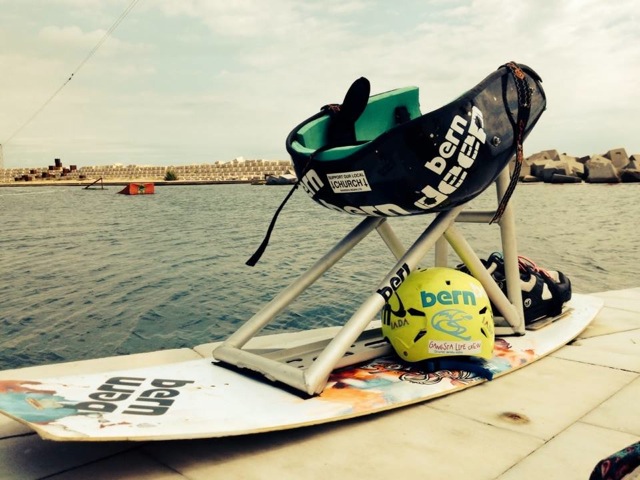
Solo el esquí, pero el surf, el esquí acuático, el paddle surf o el wakeboard no, y como aquí en España no hay nadie más que los practique, he tenido que ser yo el que los ha adaptado.
Alvin practicando Wakeboard adaptado.
“Cuanto más rápido asumas que vas a ir jodido el resto de tu vida mejor te lo vas a pasar”
3. Y en algunos casos, como el del paddle surf o SUP, incluso has llegado a patentar la adaptación que creaste.
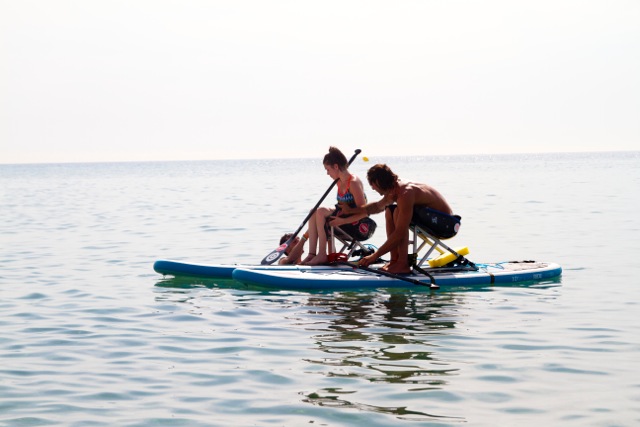
Exacto. El SUP es muy conocido a nivel mundial, pero no existía una silla para que un parapléjico pudiera practicarlo. Así que lo que hice fue atar mi silla de wake a una tabla de paddle y hacer el remo más corto. Fue muy revolucionario porque era un invento nuevo.
Lo llevé además a la Guttmann como herramienta de rehabilitación porque es muy bueno para ganar equilibrio y musculatura en el torso. Los beneficios son brutales y mucho más rápido y divertido que en un gimnasio. Estaba harto de ir allí y ver solo caras largas, y esto, tanto en la piscina como en el mar les dio a los pacientes una vida increíble.
Alvin con una de las tablas de paddle surf que él mismo fabrica.
4. ¿Es fácil lograr que personas en silla y que no vienen del mundo del deporte prueben estas cosas?
No no, es difícil que se atrevan. Para ir en silla tienes que estar ágil y tener muchas ganas, porque es una vida muy dura. Eres humano y puedes caminar y el mundo está confeccionado para eso, no para sillas de ruedas.
5. ¿Qué objetivo tiene la fundación Alvin Bayona?
Tras mi experiencia me di cuenta de que en España había un vacío en cuanto a algunos deportes adaptados, y que yo era el único que los practicaba, así que me empecé a dedicar a mostrarlo por diferentes ciudades.
Lo que pasa es que para poder pagar estos viajes necesito ayuda, y la única manera de captar dinero es a través de una fundación. Yo quiero que todo el mundo pueda probar estos deportes y quiero que lo haga gratis, porque todos merecemos una oportunidad. El problema ahora es que en España para crear una fundación hacen falta 30.000 euros, y aunque sé que hay muchas empresas que querrían hacerme donaciones, hasta que no constituya la fundación no las podré recibir. En cuanto la haga siempre que haya alguien interesado en practicar uno de mis deportes podré ir y enseñárselo.
“Quiero que todo el mundo pueda probar estos deportes porque todos merecemos una oportunidad”
6. ¿Crees que tu historia puede motivar a gente que se quede en silla?
Claro, a mi decían “tu vida es para enmarcar” y decidí dar charlas y contar mi experiencia porque aunque yo no tuve a nadie, sé que la gente que tiene un accidente así necesita que les cuenten cosas que les den vida y opciones. Si a mi, que ya conocía estos deportes me parece increíble la experiencia, los que no los hayan probado antes tienen que flipar. Y yo noto que hay gente a la que ver mi evolución les cambia la vida, y saca sonrisas, y eso es la mejor recompensa que puedo tener.
El documental Camí a Alaska de Gerard Molins cuenta la historia de Alvin durante los primeros meses después del accidente.
7. ¿Qué retos te quedan por cumplir?
Tengo que ir a Alaska. No es un reto, es más un deseo. Para esquiar en silla allí y grabar buenos vídeos. Yo lo que quiero con el documental, los videos y todos los proyectos que hago es que la sociedad se de cuenta de que también hay gente en silla que la lía mucho.
Yo no soy un tío en silla y ya, soy un tío que hace deporte y tiene energía y creo que con mi actitud he cambiado la visión de la gente. En estos 6 años que han pasado desde mi accidente creo que he revolucionado la sociedad allí donde me he movido.
Alvin practicando esquí alpino. Su sueño: poder hacerlo en Alaska.
Articulo original en: https://tomando-conciencia.org/articulos/alvin-bayona-mis-opciones-eran-suicidarme-o-seguir-practicando-deportes-extremos